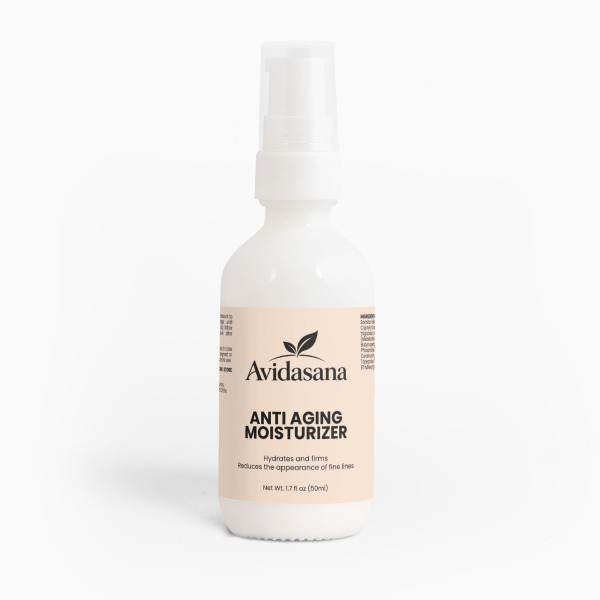
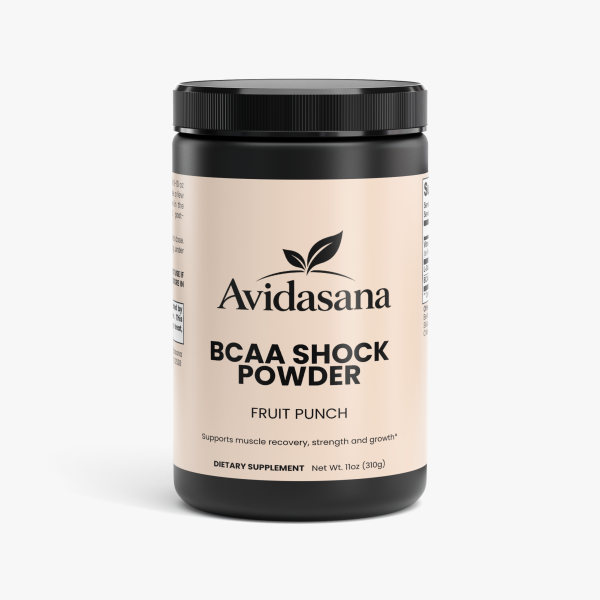
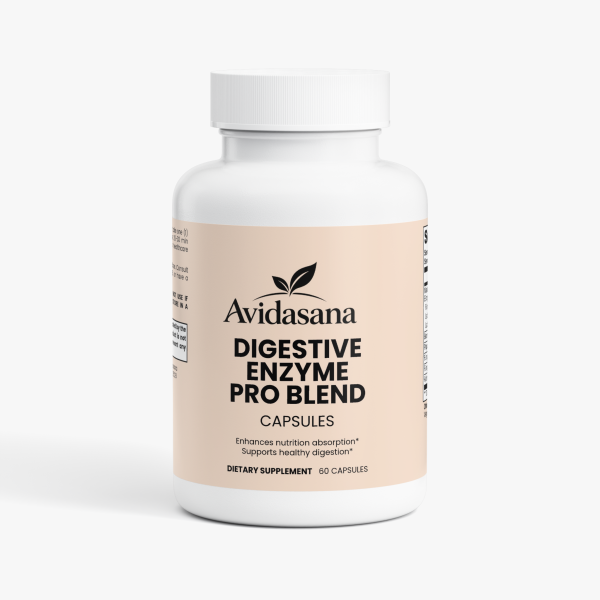
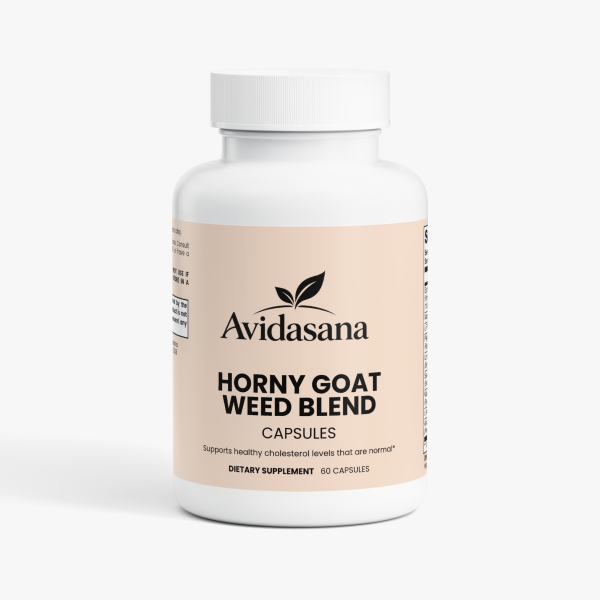
The only supplement brand built specifically for you.
🎯
Dosed for 60+ biology
Most brands dose for a 30-year-old athlete. We dose for how your body actually absorbs nutrients after 60 — because that science is completely different.
🔬
Clean, transparent labels
No proprietary blends. No mystery fillers. Every single ingredient listed with its exact dose so you can share it confidently with your doctor or pharmacist.
🇺🇸
Made & tested in the USA
FDA-registered, GMP-certified U.S. facilities. Third-party tested for purity and potency before every single shipment. Certificates available on request.
👨⚕️
Doctor-ready ingredient lists
Every product comes with a printable label built for your next doctor's visit. No guesswork about what you're taking or whether it interacts with your medications.
💰
Priced for fixed incomes
Premium quality without the premium markup. We believe you shouldn't have to pay bodybuilder prices for supplements you actually need. Senior pricing, always.
🧘
Ancient wisdom, modern proof
Every formula bridges traditional wellness wisdom with current clinical research. Time-tested ingredients, modern doses, built for how people live after 60 today.
Common Questions
Straight answers. No runaround.
Many older adults use Avidasana supplements alongside prescription medications. We always recommend showing the full ingredient label to your doctor or pharmacist before starting — especially if you take blood thinners, heart medications, or have kidney conditions. Every product comes with a printable label exactly for this purpose.
You can — but most of what you'll find there is dosed for younger adults or athletes, not for 60+ biology. Our formulas are specifically calibrated for how seniors absorb and process nutrients differently, which makes a real difference in how well they work for you.
It depends on the supplement. B12 and Vitamin D can affect energy within 2–4 weeks. Bone and joint support typically takes 6–12 weeks. Brain and memory support builds gradually over 1–3 months. Supplements work best as a long-term daily habit, not a quick fix.
Yes. Every product is manufactured in FDA-registered, GMP-certified U.S. facilities and independently lab-tested for purity, potency, and safety before shipment. We can provide certificates of analysis on request — we have nothing to hide.
You have 30 days from delivery to request a full refund, no questions asked. We stand behind every product we make. If it's not right for you, we make it right — simple as that.
40 Questions, Answered Honestly
Everything you want to know about supplements — straight answers.
Real questions from real people. No marketing spin. Just the honest, complete answers you deserve from a brand built by a senior, for seniors.
🏆 Quality & Efficacy — Does it actually work?
For real energy and focus — not just caffeine jitters — look for B12 (especially methylcobalamin), CoQ10, magnesium glycinate, and adaptogenic herbs like Ashwagandha. At Avidasana, our Vital Force Daily Energy and Cognitive Clarity NAD+ Blend are formulated specifically for how seniors aged 60+ absorb and use these nutrients. The key is getting the right form and the right dose — not just what's cheapest to manufacture.
Look for three things: GMP-certified manufacturing (Good Manufacturing Practice, a strict FDA standard), third-party testing (independent labs verify what's on the label is actually in the bottle), and full ingredient transparency — no proprietary blends hiding doses. Avidasana checks all three. We manufacture in FDA-registered, GMP-certified U.S. facilities and publish certificates of analysis on request. If a brand won't tell you exactly what's in their product and in what amounts, walk away.
The most research-supported options for brain health in older adults are: Omega-3 fatty acids (DHA/EPA) for neural membrane integrity, NAD+ precursors (like NMN or NR) for cellular energy in brain cells, Lion's Mane mushroom for nerve growth factor support, Bacopa monnieri for memory consolidation, and Phosphatidylserine for cognitive function. Our Cognitive Clarity NAD+ Blend and Immune Harmony Mushroom Complex are designed around the best of these. Always discuss with your doctor before adding any new supplement.
They can be — but only if you choose quality. A $10 supplement with the wrong form of a nutrient (like cheap magnesium oxide instead of glycinate) does essentially nothing. A well-formulated supplement at the right dose, made in a certified facility, can genuinely fill gaps that diet alone misses — especially for seniors, whose absorption of B12, D3, magnesium, and other key nutrients naturally declines with age. The question isn't whether supplements are worth it. It's whether this specific supplement is worth it.
Women's foundational daily needs typically include: Vitamin D3 + K2 (bone density, immune function), Magnesium glycinate (muscle, sleep, stress), Omega-3s (heart, brain, inflammation), B-complex (energy, nervous system), and a quality probiotic (gut health, immunity). For women over 50, calcium support becomes especially important alongside D3 and K2. Our Bone Strength Plus D is specifically formulated for this purpose. Every woman's needs differ — your doctor can run a simple blood panel to identify your specific gaps.
Start with your health goals, not someone else's list. Ask yourself: What's my biggest challenge right now — energy, sleep, joints, digestion, brain fog? Then look for supplements that address that specific area with clinically-studied ingredients at effective doses. Get blood work done if you can — it takes the guesswork out entirely. And always check for interactions with any medications you take. Our products come with printable labels designed to share with your doctor so you can make the decision together.
Often, yes — but not because of the price tag. The difference is usually in the form of the ingredient (methylated B12 vs. cyanocobalamin), the dose (clinically effective vs. token amounts), and the quality controls (GMP-certified vs. unknown facility). Budget brands frequently use cheaper nutrient forms your body absorbs poorly, or include only enough of an ingredient to put it on the label. Premium means paying for efficacy, not fancy packaging. We keep our prices senior-friendly without cutting corners on ingredients or manufacturing.
The most evidence-backed supplements include: Vitamin D3 (bone health, immune function, mood — extensively researched), Omega-3 fatty acids (cardiovascular and brain health, thousands of studies), Magnesium (sleep, muscle function, blood pressure), CoQ10 (heart energy, especially important for statin users), Probiotics (gut microbiome, immune function), and Creatine (muscle and brain function — increasingly studied in older adults). Our formulas are built around ingredients with strong scientific foundations, not trends.
👩 For Women & Older Adults — Age-specific answers
After 40, women face shifting hormonal balance, declining bone density, and changing metabolism. Most-recommended supplements include: Calcium + D3 + K2 (bone protection), Magnesium (sleep quality, mood stability), CoQ10 (energy, heart health), Collagen peptides (skin, joint, connective tissue), and Omega-3s (inflammation, cardiovascular health). For women entering or past menopause, black cohosh and evening primrose oil may also be discussed with a doctor. Avidasana's range is designed for exactly this stage of life.
It depends entirely on the supplement and the deficiency. B12 and iron: energy improvements often noticed in 2–4 weeks if deficient. Vitamin D: blood levels rise within weeks, but benefits like improved mood may take 1–3 months. Omega-3s: measurable anti-inflammatory effects in 6–8 weeks. Collagen: joint and skin effects typically noticeable at 8–12 weeks. Probiotics: digestive changes often within 1–2 weeks. Supplements are not medications — they work gradually and consistently. Give any new supplement at least 2–3 months before judging results.
No — and no reputable supplement company should ever claim otherwise. Supplements are exactly what the name says: supplemental. Whole foods contain thousands of compounds — fiber, phytonutrients, antioxidants — that cannot be replicated in a pill. What supplements can do is fill specific, measurable gaps: B12 if you're vegetarian, D3 if you live in a low-sun region, magnesium if your diet is low in leafy greens. Think of a good diet as the foundation and targeted supplementation as the fine-tuning.
Survey after survey of physicians shows the most commonly recommended supplements are: Vitamin D3 (deficiency is extremely common, especially in northern climates and among seniors), Omega-3 fish oil (heart and brain benefits), Magnesium (most Americans are deficient), Probiotics (especially after antibiotics or for digestive health), and B12 (particularly for people over 50, whose absorption naturally declines). Our products are designed with transparent, full-disclosure labels precisely so you can review them with your physician before starting.
Most high-quality supplements taken at appropriate doses are well-tolerated. That said, some common considerations: Fat-soluble vitamins (A, D, E, K) can accumulate if over-supplemented — don't exceed recommended doses. Iron should only be supplemented if deficient (confirmed by blood test). Calcium taken in excess has been linked to cardiovascular concerns. Herbal supplements can interact with blood thinners, statins, and other medications. Always review any new supplement with your doctor or pharmacist — especially if you're managing chronic conditions or taking prescriptions.
Several well-studied options exist for natural stress support: Magnesium glycinate (calms the nervous system, improves sleep quality), Ashwagandha (adaptogen that lowers cortisol — strong evidence base), L-Theanine (promotes calm alertness without drowsiness), B-complex vitamins (support nervous system function and mood), and Omega-3 fatty acids (reduce inflammation linked to anxiety). For seniors, magnesium and B vitamins are especially worth investigating since deficiencies in both are common and directly affect mood and stress tolerance.
Red flags to watch for: Proprietary blends that hide individual ingredient doses; no GMP or third-party testing certification on the label or website; prices dramatically lower than comparable quality products (ingredients aren't free); vague claims ('supports wellness') with no specific mechanisms; no physical address or contact information for the company; and supplements sold in bulk from unknown overseas manufacturers. Green flags: named facility (GMP-certified, FDA-registered), full ingredient transparency, certificates of analysis available, real customer service.
The most evidence-supported immune supplements include: Vitamin D3 (critical for immune cell function — most people are deficient), Zinc (supports immune response and wound healing), Vitamin C (antioxidant support, especially for respiratory immunity), Elderberry (flavonoid-rich, studied for respiratory illness duration), and Medicinal mushrooms — particularly Turkey Tail, Reishi, and Lion's Mane — which contain beta-glucans that modulate immune function. Our Immune Harmony Mushroom Complex is built around these fungi, formulated for the senior immune system.
🔬 Safety & Science — The honest answers
For genuine sleep improvement: Magnesium glycinate is the most widely recommended starting point — it relaxes muscles and calms the nervous system without morning grogginess. Melatonin (low dose, 0.5–1mg) helps reset circadian rhythm, especially helpful for seniors whose natural melatonin production declines. L-Theanine promotes relaxed, quiet-mind sleep onset. Ashwagandha reduces cortisol that disrupts deep sleep. Avoid high-dose melatonin (5–10mg) — research suggests lower doses work better for most adults. Always address sleep hygiene alongside any supplement.
Possibly — depending on your age, location, and specific diet. Even excellent eaters commonly run low in: Vitamin D3 (almost impossible to get enough from food; sun exposure is the main source), Magnesium (depleted from soil, so levels in food have dropped significantly), Omega-3s (unless you eat fatty fish 3+ times per week), and B12 (absorption declines significantly after age 50 regardless of intake). A basic blood panel once a year can tell you exactly what you need and what you don't. Supplement thoughtfully, not preventively.
Vitamins are a specific category of micronutrients your body needs in small amounts for essential functions — think Vitamin C, D, B12, etc. Supplements is the broader umbrella term covering vitamins, minerals, amino acids, herbs, enzymes, and other compounds sold to support health. So all vitamins are supplements, but not all supplements are vitamins. For seniors, both categories matter: vitamin D3 and B12 are critical vitamins that become harder to obtain with age, while supplements like CoQ10, collagen, or probiotics address functional health goals beyond basic vitamin needs.
A practical monthly budget for a senior covering the core bases (D3, magnesium, omega-3, B12, and one targeted supplement for your main health goal) typically runs $60–$120 per month from a quality brand. The mistake most people make is buying cheap products that don't work and then concluding 'supplements don't help.' A $15 bottle of poorly-absorbed magnesium oxide is money wasted. A $30 bottle of magnesium glycinate that actually works is money well spent. Avidasana is specifically priced for fixed incomes — quality ingredients at senior-friendly prices, with no bodybuilder-brand markup.
European and American supplement standards differ mainly in marketing regulations — European brands tend to make more cautious claims, while U.S. brands often make bolder health claims. In terms of actual quality, both continents have excellent and poor brands. What matters most is not country of origin — it's GMP certification, third-party testing, and ingredient transparency. U.S.-manufactured supplements in FDA-registered, GMP-certified facilities meet among the highest manufacturing standards in the world. Avidasana manufactures exclusively in the USA under these standards.
No supplement causes weight loss on its own — full stop. But several can support a healthy weight management program: Fiber supplements (psyllium husk, glucomannan) support satiety and gut health. Magnesium supports insulin sensitivity. B vitamins support metabolism of carbohydrates and fats. Green tea extract (EGCG) has modest research supporting fat metabolism. For seniors, maintaining muscle mass through adequate protein and creatine is actually more important than fat loss — muscle loss with age (sarcopenia) is a serious health concern. Focus on body composition, not just weight.
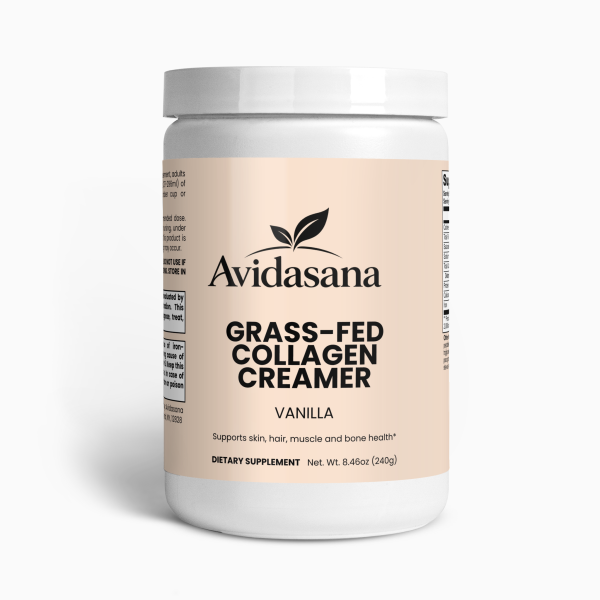
Yes — this is one of the areas with the strongest evidence for supplementation. Collagen peptides (10g daily) have multiple clinical trials showing reduced joint pain and improved mobility in 3–6 months. Glucosamine and chondroitin have decades of research for osteoarthritis support. Omega-3 fatty acids reduce joint inflammation. Boswellia serrata (a traditional herb) has strong anti-inflammatory clinical evidence. Vitamin D + K2 + calcium protect the bone structure underlying joints. Our Bone Strength Plus D and Grass-Fed Collagen Peptides are specifically formulated for joint and skeletal health in seniors.
Skin health supplements with genuine evidence include: Collagen peptides — multiple double-blind studies showing improved skin hydration, elasticity, and reduced wrinkle depth at 8–12 weeks. Vitamin C — essential cofactor for collagen synthesis and a powerful antioxidant. Hyaluronic acid — oral supplementation has been shown to improve skin moisture. Omega-3s — reduce inflammatory skin conditions and support the skin's moisture barrier. Biotin — supports skin barrier function (most effective if actually deficient). Remember: no supplement replaces sun protection and hydration, but collagen in particular has robust evidence.
🎯 Specific Health Goals — Targeted guidance
Hormonal health for women — especially perimenopausal and postmenopausal women — can be supported by: Magnesium (reduces PMS symptoms and supports progesterone production), B6 (supports hormone metabolism and mood), Omega-3s (reduce prostaglandin-related cramping and inflammation), Adaptogens like Ashwagandha and Maca (traditional support for hormonal balance — discuss with your doctor), and Vitamin D3 (deficiency linked to hormonal disruption). For women over 50, discuss bioidentical hormone support with your gynecologist — supplements work best as complementary support, not replacements for medical care when needed.
Important clarification: the FDA does not 'approve' dietary supplements the way it approves drugs. Supplements are regulated under DSHEA (the Dietary Supplement Health and Education Act), which means manufacturers are responsible for ensuring safety before market. What does matter: look for supplements made in FDA-registered facilities following GMP (Good Manufacturing Practice) regulations. This means the facility has been inspected and must follow strict protocols for testing, purity, and labeling. Avidasana manufactures in FDA-registered, GMP-certified U.S. facilities — the highest standard achievable for a supplement brand.
If you want sustained energy without caffeine's jitteriness or sleep disruption: B12 (methylcobalamin) is the most direct energy nutrient — deficiency causes profound fatigue. CoQ10 fuels cellular energy production at the mitochondrial level. Iron (only if tested deficient) is essential for oxygen transport. Magnesium powers over 300 enzymatic reactions including ATP energy production. Creatine replenishes cellular energy stores — increasingly studied in older adults for both physical and cognitive energy. Adaptogenic herbs like Rhodiola and Ginseng support energy and stress resilience without stimulant effects.
Fitness and sports medicine professionals most commonly recommend for active seniors: Creatine monohydrate (muscle preservation, strength, cognitive benefits — extensively studied, safe for older adults), Protein (adequate protein intake is critical for muscle maintenance), Omega-3s (reduce exercise-induced inflammation and support recovery), Vitamin D3 (muscle function depends on adequate D levels), Collagen + Vitamin C (tendon and connective tissue repair), and Magnesium (muscle recovery, sleep quality). Our Brain & Body Creatine is specifically formulated for this purpose.
They can be — if the company uses it as a convenience tool rather than a lock-in tactic. Benefits of subscriptions: consistent supply (you never run out mid-course), often lower per-unit cost, and it builds the daily habit that makes supplements actually work. Concerns to watch for: long-term commitments that are hard to cancel, auto-ship billing without reminders, and subscription models that encourage you to buy more than you need. At Avidasana, we believe in earning your repeat business with quality and results — not locking you in. You should be able to adjust or cancel at any time without penalty.
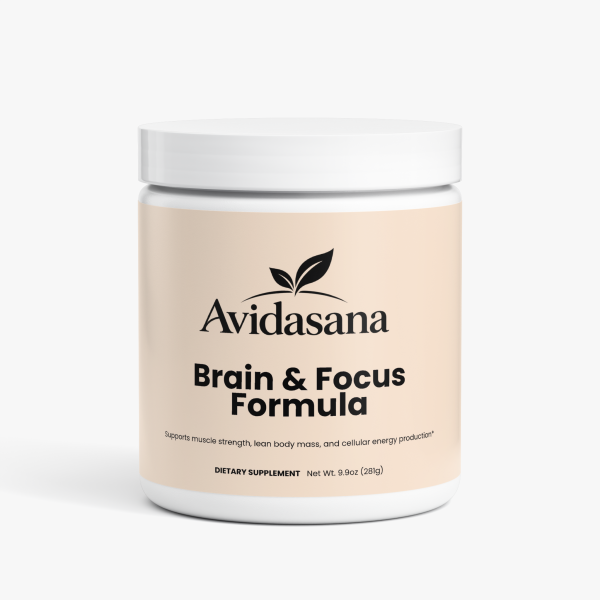
For mental clarity and focus — especially the 'brain fog' many seniors experience — the most evidence-supported options are: NAD+ precursors (NMN/NR) for cellular brain energy, Creatine (increasingly studied for cognitive function in older adults), Lion's Mane mushroom (nerve growth factor support), Bacopa monnieri (memory consolidation, studied in seniors), Omega-3 DHA (neural membrane health), and B12 (critically important — deficiency causes brain fog, memory issues, and fatigue that is often mistaken for 'just aging'). Our Cognitive Clarity NAD+ Blend and Brain & Body Creatine are formulated for exactly this.
Reading labels carefully is your best protection. Watch out for: Magnesium stearate (flow agent, generally safe but often unnecessary), Silicon dioxide (anti-caking agent), Titanium dioxide (whitening agent — some safety concerns in high doses), Artificial colors and dyes, Hydrogenated oils, and Cellulose (used as filler — harmless but pointless). The best supplements use minimal excipients — only what's needed for the capsule to hold together. At Avidasana, we formulate for maximum active ingredient and minimum filler, and we list every ingredient on the label.
For most seniors, Vitamin D3 + K2 is the single safest and highest-impact first supplement. Here's why: deficiency is extremely common (estimated 40%+ of Americans are deficient), the symptoms of deficiency are vague and easily dismissed (fatigue, low mood, aching muscles), it's inexpensive, it's very well-studied, and it's rare to take enough to reach toxicity. Second recommendation: Magnesium glycinate. Most people are deficient, it improves sleep and muscle function almost immediately, and it's very gentle. Start simple, confirm it's working, then add more targeted support as needed.
💡 Practical Guidance — Making smart decisions
Not only do they work — they often work better for people over 50 than for younger adults, because the underlying deficiencies are more common and more impactful. B12 absorption declines sharply after 50; supplementing directly addresses this. Vitamin D production from sunlight decreases with age; supplementation compensates. Muscle protein synthesis efficiency decreases with age; creatine and adequate protein intake help offset this. The key is that supplements for older adults need to be properly formulated for age-related absorption changes — which is exactly the foundation Avidasana is built on.
Most core supplements are safe to combine. Generally well-tolerated together: D3 + K2 + calcium + magnesium (a classic bone health stack), B-complex + CoQ10 + Omega-3s, Probiotics with everything (take separately from antibiotics by 2 hours). Some things to be careful with: Calcium and magnesium compete for absorption — take at different times of day. Iron and calcium block each other — separate by 2 hours. Fat-soluble vitamins (A, D, E, K) are best taken with a meal containing fat. Always review any combination with your pharmacist if you take prescription medications, especially blood thinners.
Start with a conversation with your doctor and a basic blood panel — this identifies real deficiencies vs. guesswork. Then map your health goals to specific nutrient categories: Energy: B12, CoQ10, magnesium, iron (if deficient). Joints: Collagen, glucosamine, omega-3s. Brain: NAD+, creatine, lion's mane, omega-3 DHA. Immune: D3, zinc, mushroom complex. Sleep: Magnesium glycinate, L-theanine, melatonin. At Avidasana, every product page is organized by health benefit to help you match your goals to the right formula. And when in doubt — email us at info@avidasana.com.
The most effective gut health supplements include: Probiotics (specific strains matter — Lactobacillus and Bifidobacterium species are best-studied), Prebiotics (fiber that feeds beneficial bacteria — psyllium husk, inulin), Digestive enzymes (especially helpful for seniors whose natural enzyme production declines), L-Glutamine (supports intestinal lining integrity), Collagen (provides amino acids that support gut lining), and Ginger and peppermint (long-studied for nausea, motility, and bloating). Our Happy Gut-Happy Life formula combines the most effective of these in a single, senior-formulated blend.
Not automatically — and this is an important distinction. 'Natural' does not equal safe: arsenic, mercury, and many toxins are natural. 'Synthetic' does not equal dangerous: many synthetic vitamins are chemically identical to naturally-occurring ones and may actually be more stable and absorbable. What matters is quality control and dose, not the origin. That said, some specific cases where form matters: methylated B vitamins (natural methylcobalamin vs. synthetic cyanocobalamin) are better absorbed for people with MTHFR gene variants. Always focus on form, dose, and manufacturing quality — not just 'natural' vs. 'synthetic.'
For seniors who are physically active, recovery supplements matter as much as performance supplements. Priority stack: Creatine monohydrate (muscle energy, strength, reduced fatigue), Protein/collagen (muscle protein synthesis and connective tissue repair), Omega-3s (reduce post-exercise inflammation), Magnesium (muscle relaxation and sleep quality for recovery), Vitamin D3 (muscle function, injury prevention), and CoQ10 (cellular energy for sustained activity). For active adults over 60, maintaining muscle mass is a health imperative — not just a fitness goal. Our Brain & Body Creatine is specifically relevant here.
Here's what to look for on a supplement label: Serving size: Check how many capsules/scoops constitute one serving — some brands list tiny servings to make doses look impressive. % Daily Value (%DV): Percent of the recommended daily intake — 100% is not always optimal. Other ingredients list: Scroll past active ingredients to see what fillers, binders, and additives are included. Certifications: NSF, USP, Informed Sport, or GMP logos indicate quality verification. Expiration date: Potency declines after expiry. At Avidasana, we design labels for clarity and print a version specifically formatted to share with your healthcare provider.
Honestly? The most credible supplements used by health-conscious individuals regardless of fame are surprisingly boring — and that's a good thing. Consistently mentioned across physicians, longevity researchers, and genuinely health-focused public figures: Vitamin D3 + K2, Omega-3 fish oil, Magnesium glycinate, NMN/NR for NAD+ support (popularized by longevity researchers like David Sinclair), Creatine (increasingly mainstream beyond just bodybuilding), and Probiotics. The honest answer is that the supplements with the most scientific credibility are the same ones, celebrity or not. Skip the influencer-branded products and focus on the ingredients with the research behind them — then visit Avidasana's shop to find them formulated specifically for seniors.
Still have questions?
Our team is made up of seniors too. We're happy to help you find the right supplement for your specific needs.